FERAL Animal Survival Map Areas & Discovery Routes
Named places, terrain types, and how to turn exploration into Amber without dying thirsty.
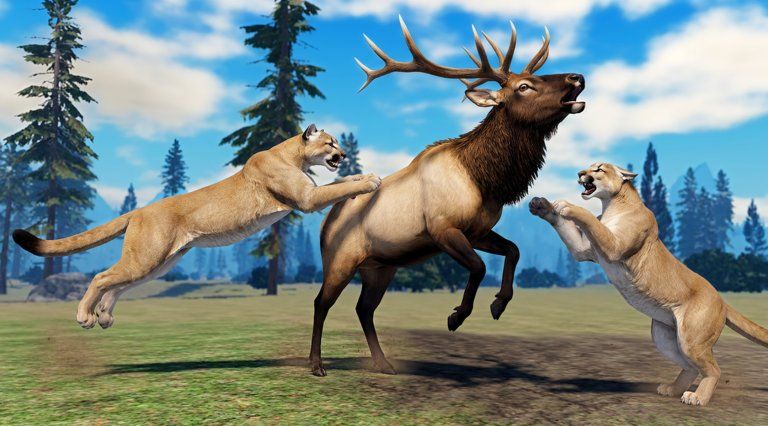
Valley overview
FERAL Animal Survival drops you into a wilderness valley with rivers, forests, a hidden lake, and a deep gorge. Official Roblox copy highlights those biomes; in-session popups name smaller pockets as you enter them. Learning the names matters because QUICK quests and discovery bonuses reference them.
This page is a practical atlas for newcomers. Combine it with food and water, getting started, and how to get Amber.
Why exploration pays
First arrival in a new area can grant a one-time Amber bonus (community reports often cite around +20 with a discovery toast such as “ALDER CREEK DISCOVERED!”). Even when amounts rotate, the habit stays valuable:
- You refill knowledge of water and graze nodes.
- You complete travel-distance quests naturally.
- You learn predator dens before you unlock S-tier animals.
Do not sprint the whole map as a baby. Explore in loops that always pass drinkable water.
Named areas you will see early
Den Hollow
Tutorial cradle. Bite the mouse, eat, and learn the growth prompt here. Treat Den Hollow as your reset classroom after deaths — not as a permanent AFK nest once teen predators know the spawn.
Tall Marsh
Frequently referenced in drink quests. Marsh edges are wet and dangerous: alligators, hippos, and patient campers love them. Approach for the quest sip, then leave.
Alder Creek
A named discovery toast area in recorded runs. Creek lines are linear travel corridors — great for distance quests, bad for tunnel vision. Check upstream and downstream before committing to a carcass.
Grazing Grounds
Herbivore buffet and carnivore pantry. Deer and similar prey concentrate here in many sessions. If you are a baby wolf, hunt the edges. If you are a deer, graze briefly and rotate.
Rattlebone Mesa
Higher, drier hunting ground referenced in creator routes. Mesas punish low stamina and poor thirst planning. Bring a full water meter before long mesa circuits.
Biome playbooks
| Biome | Best for | Watch for |
|---|---|---|
| Rivers & marshes | Otter, alligator, hippo | Ambush bites, crowded banks |
| Forest pockets | Wolf, tiger, gorilla-tagged kits | Pack flanks, limited sight |
| Open graze fields | Deer, elk, bison | Flyer dives, long chases |
| Hidden lake | Mid-game rotations | Contested drinking, shoreline campers |
| Deep gorge | Eagle, falcon, vulture routes | Fall risk, vertical third parties |
Match your animal to the biome using best animals and the tier list. A falcon main should think in ridgelines; a hippo main should think in river bends.
Suggested discovery circuit (first two hours)
- Finish Den Hollow tutorial objectives.
- Drink, then follow the nearest river until a discovery toast fires.
- Cut inland to a graze or hunt node from food and water.
- Swing toward Tall Marsh only when a quest asks — do not live there.
- Climb toward mesa or forest ridges once teen abilities unlock.
- Save gorge rim scouting for flyer kits or high GROWTH terrestrials.
If a toast already fired for an area on that animal life, skip farming empty discoveries and return to quests.
Server density changes the map
On quiet servers, the valley feels huge and generous. On peak population (thousands concurrent on the experience, 50 per server), every named water becomes a PvP lobby. Adapt:
- Drink on secondary creeks when Tall Marsh is a warzone.
- Take carcasses on the move.
- Use how to escape paths you pre-scouted during quiet minutes.
Update animals and map pressure
New event kits change which biomes feel unsafe. Hippo and alligator raise river danger. Falcon, eagle, and vulture raise open-field danger. Gorilla-tagged heavies pressure forests. King cobra style kits punish careless brush travel. Recheck new animals whenever the Roblox title prefix flips.
Navigation habits that prevent rage quits
- Face the camera downhill before drinking so you see approaches.
- Memorize two escapes from every favorite graze node.
- When lost, follow water downhill — it usually reconnects to known rivers.
- After a GROWTH-reset death, do not immediately re-run the route that just killed you; change biome for one life.
Related pages
Frequently Asked Questions
Quick answers to the most common questions.
What is Den Hollow?
Den Hollow is the tutorial starting pocket where you learn bite, eat, and early growth prompts.
Do discovered areas give Amber?
First discoveries often grant a one-time Amber bonus with an on-screen toast. Amounts can change between sessions.
Where should herbivores spend time?
Grazing Grounds and forest edges with nearby water, rotating often so carnivores cannot camp you.
When should I visit the deep gorge?
After you understand stamina and thirst, preferably on flyer kits or high-growth terrestrials with an escape plan.